the shipping business has gotten so complicated...

I.P.S. would probably still be around if Doug Heffernan hadn’t worked for them .
lol yes it was I.P.S and being a Senior Citizen growing up with those shows and anal retentive I watch the same shows EVERY night either Everybody Loves Raymond or Seinfeld and top it off with King of Queens from 11 pm to midnight , my favorites are when Arthur Spooner is in the episode .
 
Numbers are in for the 2025 holiday season...just to give you an idea. And this is just what the USPS moved...add other carriers and the numbers are staggering.
From Nov. 15 to Jan 9, 16 BILLION mail pieces and packages were delivered within 2.5 days on average with a 44% decline in package-related CS inquiries.
 
Numbers are in for the 2025 holiday season...just to give you an idea. And this is just what the USPS moved...add other carriers and the numbers are staggering.
From Nov. 15 to Jan 9, 16 BILLION mail pieces and packages were delivered within 2.5 days on average with a 44% decline in package-related CS inquiries.
I knew the volume was big but I had no idea whatsoever how big . The Post Office alone doing 16 BILLION pieces in six weeks is mind boggling ! Most of this goes by air in cargo jets guzzling huge amounts of Jet A fuel . This can’t go on forever .
 
I started shipping fish in 2002. Back then I used Priority and Express mail. 9/11 made it a tad more complicated but boxes tended to make it OK. Over time this changed and only Express was reliable. Then even that ended. I started to set up an accounted with UPS but their system was not so great back then for sending fish and I stopped trying to use them.

Fortunately, I had a good friend with a FedEx account who let me use it. I would send the box and since the cost was known simply sent them the money right away. When that person stopped sending fish I switched to working with another friend who had a UOS account. Byt then UPS was catching up with FedEx for shipping fish.

I was taught by the first person the proper way to ship in cold weather. When I was still using the USPS I sent a box from NY to Alaska in early April that took almost 5 days to get there and the fish were all alive. Here is what I was taught to do for very cold weather shipping. It invloved understanding how heat packs work.

The shorter duration heat packs- 20-30 (maybe even 40) hours tend to heat up to their max output fairly quickly. But, from there is starts to go down hill after 50%-65% of their useful life. One the other hand, the longer term heat packs- 60, 72 or 96 hours Take longer to heat to their max. output but once there they tend to hold at that level fairly steadily until they are almost exhausted.

The result of the above is that one should be using both shorter and longer term packs in a box when it is very cold weather. Depending on the size of the box, one might need multiples of each kind. Next, when I was close to ready to seal the box I would open the heat pack container, shaked the heat pack and set it down. I wanted to feel it actually starting to warm before i would use it. This eliminated one of the potential issues when using heat packs, that they fail to heat.

The next thing I was taught was th heat packs always should go at the top of the box and in summer of cold packs are needed they should be placed close to the bottom of the box. Finally, it is important that either way the pack is not allowed to be in contact with the bags holding the fish. One should also assume that taping the heat pack to the lid is not enough to insure this. The heat packs need to be wrapped loosely in a newspaper or put into a paper bag.

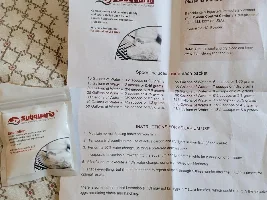
"Heat packs generate warmth through exothermic chemical reactions, typically using oxidation of iron" basically they generate heat by causing the metal powder inside to rust which generates heat. To do this they need oxygen, so they should net be sealed inside anything that would prevent this.

Bear in mint that a 72 hour pack mean 3 days of heat and a 96 means 4 days. And, the insulated box inside the cardboard box will work to hold the heat for a bit of time after the pack stops working. Because it is not so easy to find a styro that fits into an outer box if the best size, I have tended to make my own insulated box. I would buy sheets of rigid insulation which I would cut to the needed size for any box. Of course, if I had a box with a styro box inside from having received shipped fish, I would reuse that when I could.

I could get the rigid insulation in either 3/4 of an inch or 1 inch thick. In the end I bought a hot wire cutter for the insualtion as it let me cut to size with greater precision. Also, if possible, I got the flat edge type sheet as the tounge and groove ones I needed to trim or the tounge and groove to get a flat edge. The isulation comes in a variety of R-values. the higher the number the better it insulates. Depending on the temperatures involved I tend to use R-5 or R-10. The sheets are usually available in 4x8 and 4x4 foot sheets, They used to come in 2x8 sheets but eventually those were discontinued. I could get the 2 foot wide sheets into my car but not the 4-8s. I had help from a neighbor with a pick-up to get the wider sheets.



SQUARE-EDGE2-300x225.jpg


I lost very few fish due to extreme cold using the above methods. However, I stopped shipping from the week before Thanksgiving until about mid January and during Valentine's day week. As I noted in my earlier post in this thread, this had nothing to do with the weather but with how great the volume if shipping in general becomes during this periods. Boxes are way more likely to be lost or delayed during those periods and I refused to take that risk.

I hope the rest of the info above is helpful to those who might ship or receive shipped in fish. The quality of any sellers shipping procedure matters a lot here.

 
I started shipping fish in 2002. Back then I used Priority and Express mail. 9/11 made it a tad more complicated but boxes tended to make it OK. Over time this changed and only Express was reliable. Then even that ended. I started to set up an accounted with UPS but their system was not so great back then for sending fish and I stopped trying to use them.

Fortunately, I had a good friend with a FedEx account who let me use it. I would send the box and since the cost was known simply sent them the money right away. When that person stopped sending fish I switched to working with another friend who had a UOS account. Byt then UPS was catching up with FedEx for shipping fish.

I was taught by the first person the proper way to ship in cold weather. When I was still using the USPS I sent a box from NY to Alaska in early April that took almost 5 days to get there and the fish were all alive. Here is what I was taught to do for very cold weather shipping. It invloved understanding how heat packs work.

The shorter duration heat packs- 20-30 (maybe even 40) hours tend to heat up to their max output fairly quickly. But, from there is starts to go down hill after 50%-65% of their useful life. One the other hand, the longer term heat packs- 60, 72 or 96 hours Take longer to heat to their max. output but once there they tend to hold at that level fairly steadily until they are almost exhausted.

The result of the above is that one should be using both shorter and longer term packs in a box when it is very cold weather. Depending on the size of the box, one might need multiples of each kind. Next, when I was close to ready to seal the box I would open the heat pack container, shaked the heat pack and set it down. I wanted to feel it actually starting to warm before i would use it. This eliminated one of the potential issues when using heat packs, that they fail to heat.

The next thing I was taught was th heat packs always should go at the top of the box and in summer of cold packs are needed they should be placed close to the bottom of the box. Finally, it is important that either way the pack is not allowed to be in contact with the bags holding the fish. One should also assume that taping the heat pack to the lid is not enough to insure this. The heat packs need to be wrapped loosely in a newspaper or put into a paper bag.

"Heat packs generate warmth through exothermic chemical reactions, typically using oxidation of iron" basically they generate heat by causing the metal powder inside to rust which generates heat. To do this they need oxygen, so they should net be sealed inside anything that would prevent this.

Bear in mint that a 72 hour pack mean 3 days of heat and a 96 means 4 days. And, the insulated box inside the cardboard box will work to hold the heat for a bit of time after the pack stops working. Because it is not so easy to find a styro that fits into an outer box if the best size, I have tended to make my own insulated box. I would buy sheets of rigid insulation which I would cut to the needed size for any box. Of course, if I had a box with a styro box inside from having received shipped fish, I would reuse that when I could.

I could get the rigid insulation in either 3/4 of an inch or 1 inch thick. In the end I bought a hot wire cutter for the insualtion as it let me cut to size with greater precision. Also, if possible, I got the flat edge type sheet as the tounge and groove ones I needed to trim or the tounge and groove to get a flat edge. The isulation comes in a variety of R-values. the higher the number the better it insulates. Depending on the temperatures involved I tend to use R-5 or R-10. The sheets are usually available in 4x8 and 4x4 foot sheets, They used to come in 2x8 sheets but eventually those were discontinued. I could get the 2 foot wide sheets into my car but not the 4-8s. I had help from a neighbor with a pick-up to get the wider sheets.


SQUARE-EDGE2-300x225.jpg


I lost very few fish due to extreme cold using the above methods. However, I stopped shipping from the week before Thanksgiving until about mid January and during Valentine's day week. As I noted in my earlier post in this thread, this had nothing to do with the weather but with how great the volume if shipping in general becomes during this periods. Boxes are way more likely to be lost or delayed during those periods and I refused to take that risk.

I hope the rest of the info above is helpful to those who might ship or receive shipped in fish. The quality of any sellers shipping procedure matters a lot here.
I had shipped a friend 4 dwarf sirens over night day before 9-11 and USPS halted shipping so I got them back 4 days later so kept them.

At the time they were in abundance and legally collected in a marsh OUTSIDE the Glades but a marsh fed by Glades canals now they are as rare as can be .
 

Most reactions

Back
Top