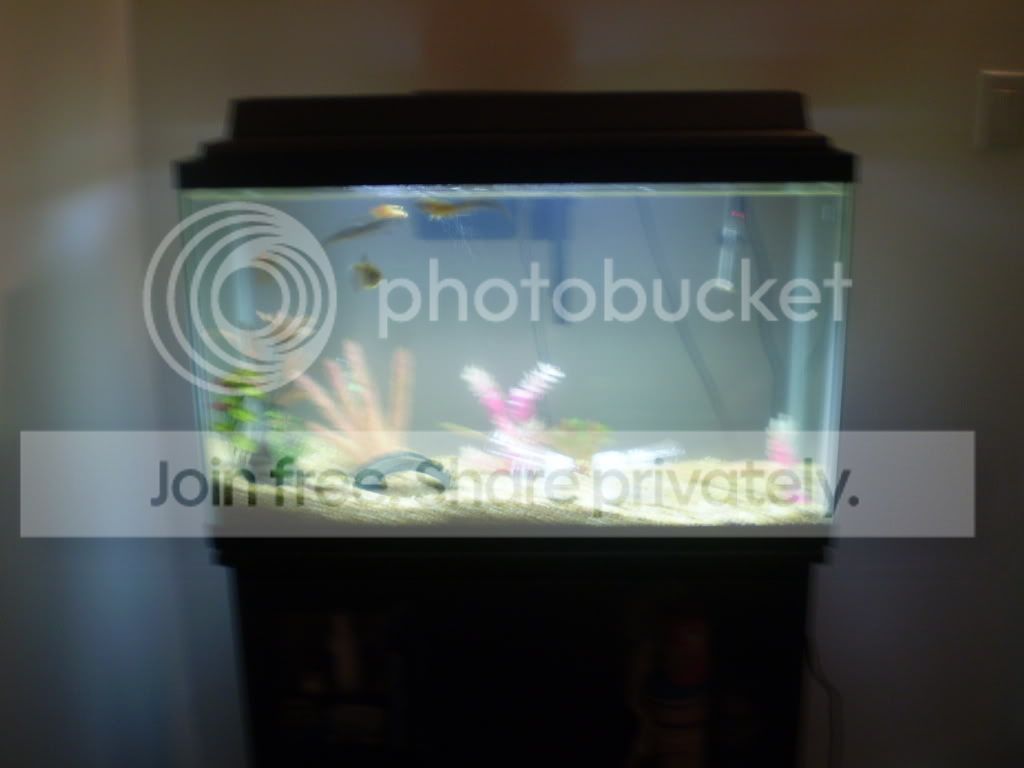
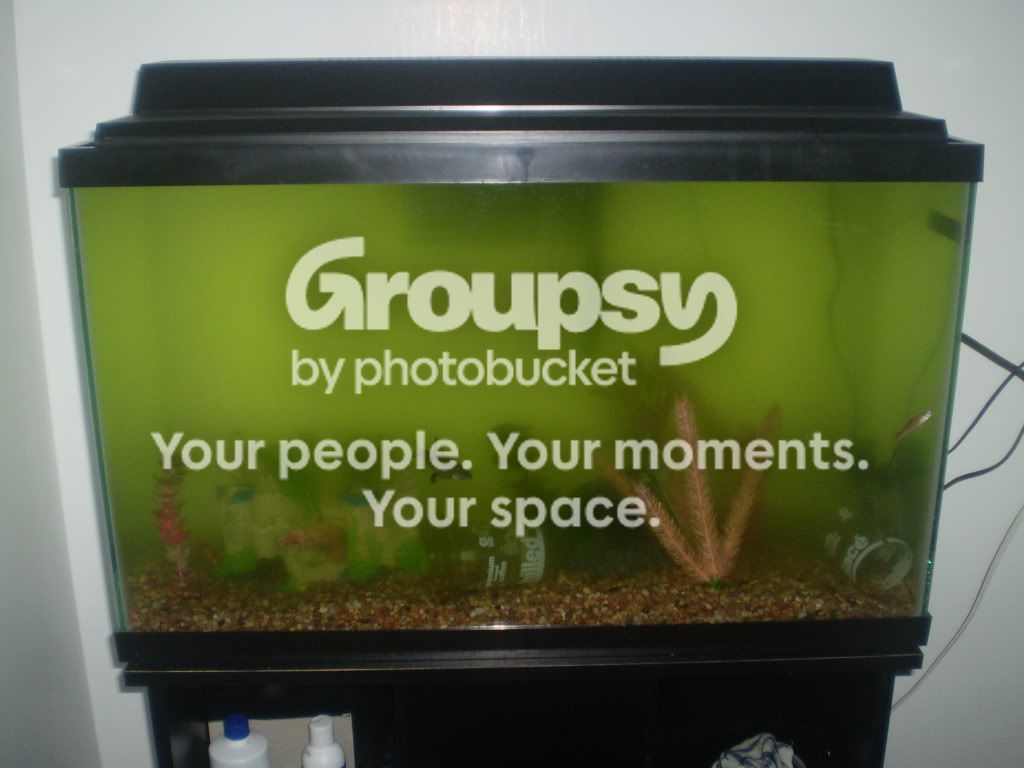
Boy, I can soooo empathize - I have one just like that, from earth being kicked up in a Walstad tank, by a little plec I'd figured on having out and into another tank a month ago or more.
And yours is such a nice-looking tank, too.
Sorry, I don't think I expressed myself clearly enough - bear with me - I'm so tired my eyes are crossing - brain-cells, too.
Luckily I'm used to me being like that, but I guess you're not, lol.
No, actually, it probably isn't just the light - and this is important.
I hope you don't mind if I 'shout' a bit, to make things stand out hither and yon?
Most UnCanadian of me, I know, although it's actually not meant as a 'shout', merely emphasis - but this absolutely can't be missed.
The green water has to be cleared completely so you can get your tank sorted out ASAP - so this needs to be clear - and that's definitely not my forte, darn it.
Bear with me and I'll try...
Normally, even with no ammonia or nitrIte readings, there's nitrAte present, because in a non-Walstad, the nitrifying bacteria are converting this to nitrAte - so you usually have a nitrAte reading around 20.
WHERE, OH WHERE, DID THE NITRATES GO
It seems likely that the absence of nitrAte - as well as of ammonia and nitrIte - in your test results is due to the green water algae consuming this, which would also explain why your green water recently reduced somewhat.
It had propagated up to the amount of 'food' available and began to starve back.
THE ALGAE ATE YOUR NITRATES! SO -
But as the green water organisms begin to die off, from lack of food, more ammonia will be produced by this rotting algae, as it would by any dead, rotting matter, broken down by other organisms.
So, this new, self-produced source of ammonia can cause another increase in the green water thickness, because now there's more food available for the algae.
THEY'LL DIE AND MAKE AMMONIA
In my case, the various large water changes done in my affected tank make no difference in the long run, (or even much in the short term) because I still have a baby Bristlenose stirring up earth into the water column, creating a 'food' supply for green water in what I hope is still a well-planted, ammonia-sucking jungle.
So until I get the other tank reorganized - which has been delayed due to fish and other emergency stuff - and get baby Bristlenose out and transferred, (if I can find her in there) the green water will remain - and that's OK in the sense that I'd rather have that than ammonia in with my fish.
AND GROW TO MAKE US GROANIA
The situation has to alter so that the tank itself - whether predominately through bacterial nitrification or plants more directly using ammonia - can cope easily with the biological load.
The current alternatives possible, in both our cases: algae overgrowth, or toxins that can sicken and/or kill our fish.
I've had plastic cups in tanks (as explained in previous post) that have collected fish poop and uneaten food overnight - I can see what look like plastic cups in your tank as decorations.
I don't know, of course, but I think those and anything else likely to catch debris - which will produce ammonia as it breaks down - are likely a cause of ammonia spikes and the algae which increased to feed on the ammonia.
I've had bad green water before, and the easiest solution which works is to WRAP THE ENTIRE TANK THICKLY IN NEWSPAPER carefully taped up so that NO light can reach the algae.
It NEEDS to be left like that for 3 days - NO feeding, NO peeking - just left wrapped and dark.
You do need to do a good water change before wrapping, and after unwrapping, and, ideally, small ones perhaps every second day or so for about a week after that - dead matter produces ammonia, and algae is present in every such environment.
This should clear up the current problem of greenwater - but there's always a reason for such extreme overgrowth.
I know what mine is, and it'll be dealt with. (Eventually - it's the least of my worries right now, since the fish aren't at risk.)
If I'm lucky, the tank won't be wrecked by having earth scattered throughout the substrate intended to keep it out of the water column so that this wouldn't happen - and wouldn't have happened if the plec had been transferred when expected.
In your case, I'd really suggest removing all decorations that can trap stuff and replacing them with something less likely to do that.
I have tried removing green water with water changes, and that works in mild cases where the problem is simply something like concealed but removable dead and rotting plant matter, maybe with the odd fungussed bit of spirulina tablet or vegetable sneakily hiding in the bushes .
It sucks, but for a bad case, the wrapping trick almost certainly will have to be done sooner or later, and the sooner the better.
I was going to tackle this part separately, once things were underway, but here goes, and please pardon the 'shouting - this HAS to stand out.
If there's NO ammonia, nitrite, OR nitrate remaining in your tank, WHAT ARE YOUR NITRIFYING BACTERIA EATING?
HOW LONG DOES IT TAKE SHORT-LIVED BACTERIA TO STARVE TO EXTINCTION?
ONCE THE GREEN-WATER'S GONE, THE NITRIFYING BACTERIA WILL STILL BE DEAD AND NOTHING WILL BE FEEDING ON AMMONIA OR CONVERTING NITRITES UNTIL THE TANK IS RECYCLED.
I'll leave things there, at that point, until I know if I've expressed this clearly enough to be understandable - as I said, that's simply not my forte...

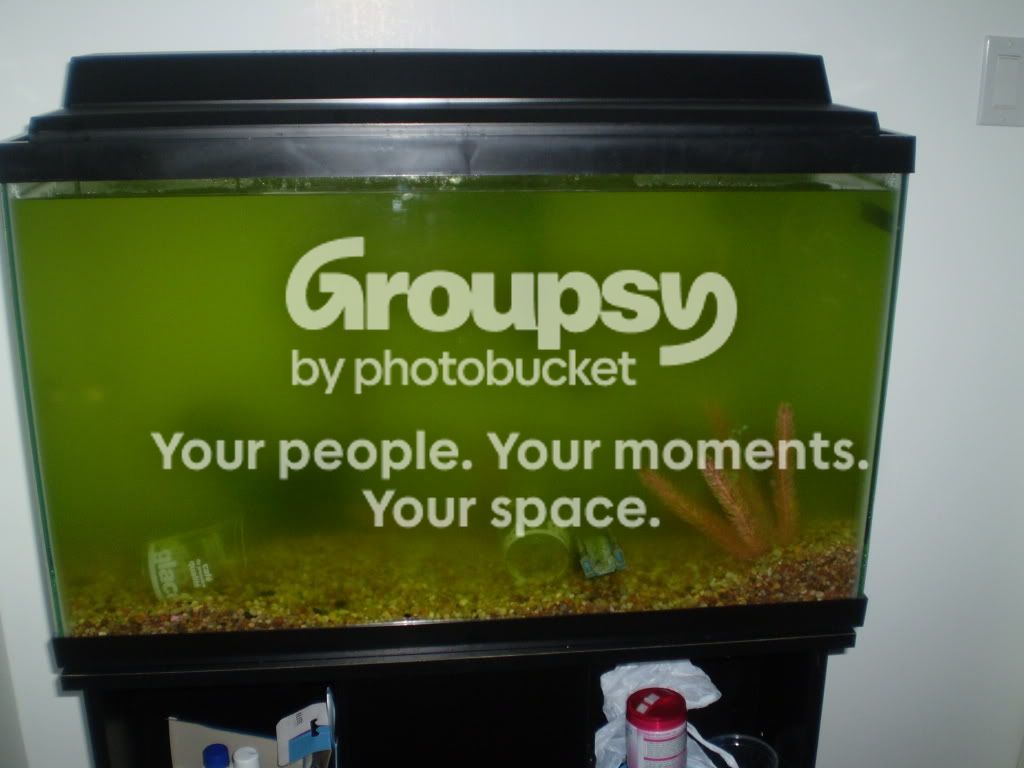


 Ill do a larger water change tmr then.
 Heres some pics, let me upload onto photobucket first.