The thing is that whats not toxic to us can in fact be toxic to fish, or can turn toxic if left under water for a great deal of time. It takes a lot of money and a great deal of time to determine if something is toxic or not, just putting some goldfish in with the paint won't tell you a whole lot.
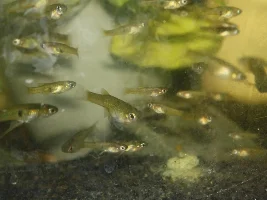
Though fish toxicity is a common route to measure a substance's toxicity. Zebra Danios are a typical test subject, though many other fish have been used. In terms of time and money, what opcn is saying is that the test results need to be statistically significant ( see http
 /en.wikipedia.org/wiki/Statistical_significance for example), 1 test is in no way whatsoever significant. 100 tests would be much more meaningful. Think about the issues of testing... you could have just been unlucky enough to have very weak and/or vulnerable fish. Fish do just die once in a while from chance, you could have gotten one of those. Similarly, it could just be chance that the fish you had were resistant or tolerant of that paint. One test cannot separate all these issues. That is where statistical significance comes into play -- and all the repetitions needed to achieve statistical significance. And all those repetitions take up a great deal of time and money,