What's new

Can anyone tell me if these " White Spots " are bad ?

Tyler777

Fishaholic
Joined
Apr 29, 2024
Messages
657
Reaction score
87
Points
28
Location
Menasha, Wisconsin
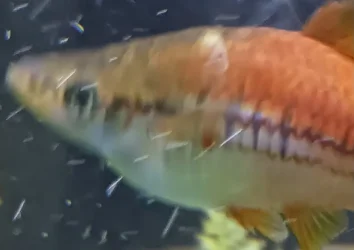
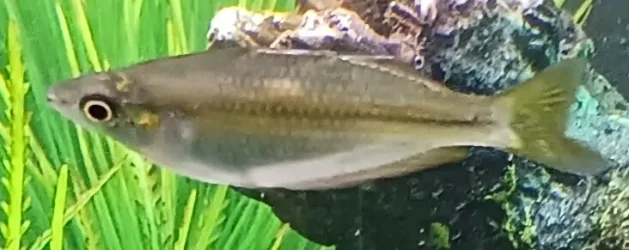
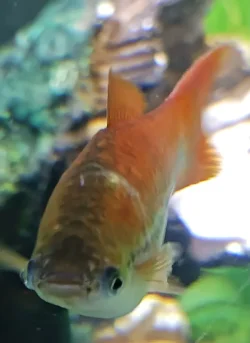
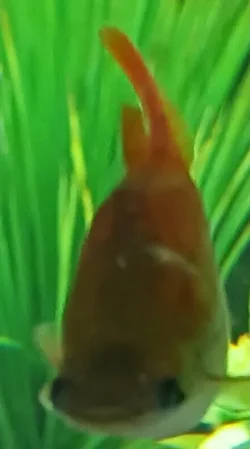
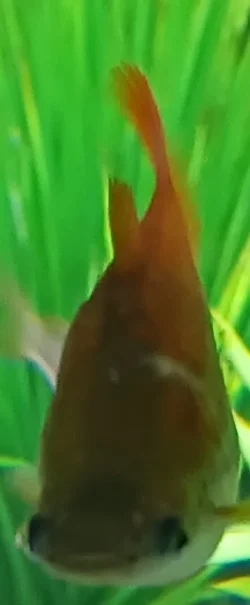
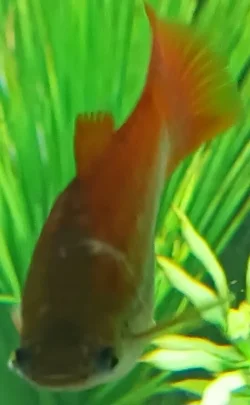
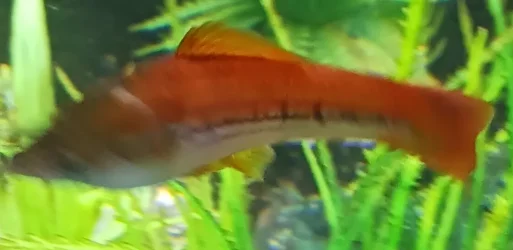
In these 2 pics you will see a " White Spot " in each fish. The pineapple swordtail female has it close to the top of her head and the Australian Rainbow fish has it on the side of his body. Can anyone identify if those White spots are something to be worry bout or they're nothing .

Thanks in advance
 

Attachments

  • 20241215_103821.webp
    20241215_103821.webp
    27 KB · Views: 191
  • 20241215_103916.webp
    20241215_103916.webp
    38 KB · Views: 136
The white mark in the muscle tissue on the side of the rainbowfish is probably a parasitic worm that got lost. It shouldn't go anywhere and will live out its life where it is.

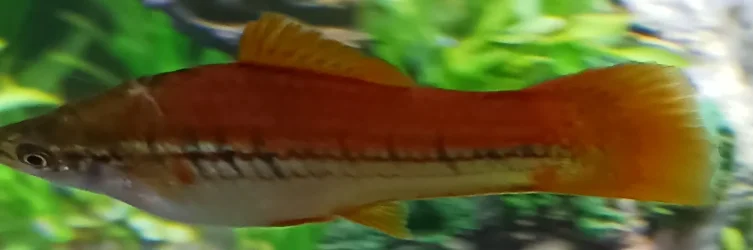
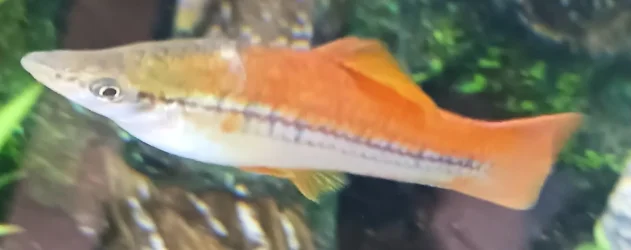
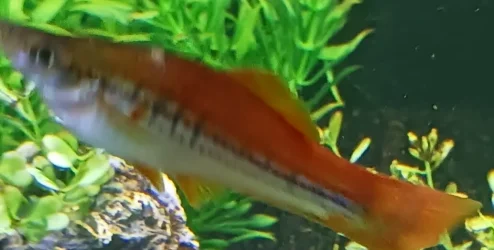
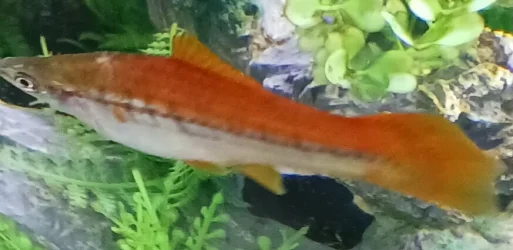
Need a clear picture showing the entire swordtail. Take some pics, check them on your computer, post a nice shot that clearly shows the issue. It looks a bit like excess mucous but need a better picture.

Test the water quality for ammonia, nitrite, nitrate and pH. Post the results in numbers here.
 
Looks like clinostomum, aka yellow grub, a type of fluke parasite that burrows in the skin until it reaches its next host (birds). Harmless to fish unless very heavy infected or in vital organs (it's usually just under the skin in muscle mass). It will not spread to other fish either. This is the 2nd life stage and it cannot turn into its reproductive stage unless it is eaten by a bird.

Many outdoor farmed fish may come with this parasite. One of my old rainbows did as well.

20211024_210940.jpg


Under USB microscope once this one was removed:
SPOILER_20211223_162444.jpg


:sick:

Occasionally it can be manually removed on a sedated fish and a medical needle, but best left to professionals for that. Fish needs to be anesthesized
 
The white mark in the muscle tissue on the side of the rainbowfish is probably a parasitic worm that got lost. It shouldn't go anywhere and will live out its life where it

Will this parasite kill or make my rainbow fish sick ?

Test the water quality for ammonia, nitrite, nitrate and pH. Post the results in numbers here.
PH 8.0, ammonia 0 , nitrites 0 , nitrates 20

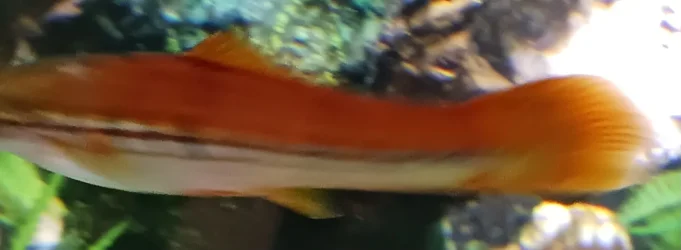
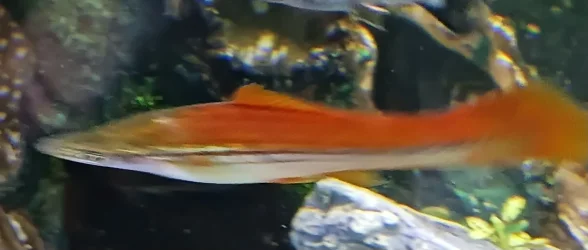
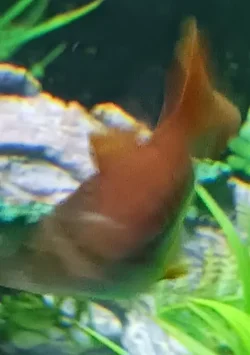
About the pictures, I did what I could. She is not a glamorous fish that loves to pose for pictures.
 

Attachments

  • 20241215_142029.webp
    20241215_142029.webp
    34.5 KB · Views: 119
  • 20241215_142037.webp
    20241215_142037.webp
    40 KB · Views: 141
  • 20241215_142053.webp
    20241215_142053.webp
    37.5 KB · Views: 121
  • 20241215_142058.webp
    20241215_142058.webp
    42 KB · Views: 157
  • 20241215_142101.webp
    20241215_142101.webp
    49.4 KB · Views: 161
  • 20241215_142026.webp
    20241215_142026.webp
    25.4 KB · Views: 128
  • 20241215_142010.webp
    20241215_142010.webp
    18.7 KB · Views: 124
  • 20241215_142009.webp
    20241215_142009.webp
    16.4 KB · Views: 102
  • 20241215_142008.webp
    20241215_142008.webp
    28.9 KB · Views: 124
  • 20241215_141959.webp
    20241215_141959.webp
    36.2 KB · Views: 143
  • 20241215_141953.webp
    20241215_141953.webp
    44.6 KB · Views: 139
  • 20241215_141923.webp
    20241215_141923.webp
    44.8 KB · Views: 139
Looks like clinostomum, aka yellow grub, a type of fluke parasite that burrows in the skin until it reaches its next host (birds). Harmless to fish unless very heavy infected or in vital organs (it's usually just under the skin in muscle mass). It will not spread to other fish either. This is the 2nd life stage and it cannot turn into its reproductive stage unless it is eaten by a bird.

Many outdoor farmed fish may come with this parasite. One of my old rainbows did as well.

View attachment 356812

Under USB microscope once this one was removed:
View attachment 356813
View attachment 356814
:sick:

Occasionally it can be manually removed on a sedated fish and a medical needle, but best left to professionals for that. Fish needs to be anesthesized
Thank you my friend for your knowledge sharing
 
Will this parasite kill or make my rainbow fish sick ?
No, it shouldn't make the fish sick where it is.

-------------------

The swordtail has excess mucous on its head. She either injured the area and covered the damage with mucous or she has an external protozoan infection there.

Add some salt for 2 weeks.

-------------------

You can add rock salt (often sold as aquarium salt), swimming pool salt, or any non iodised salt (sodium chloride) to the aquarium at the dose rate of 1 heaped tablespoon per 20 litres (5 gallons) of water. If there is no improvement after 48 hours you can double that dose rate so there is 2 heaped tablespoons of salt per 20 litres.

Keep the salt level like this for at least 2 weeks. If there's no improvement after a few days with salt, post another picture.

The salt will not affect the beneficial filter bacteria, fish, plants, shrimp or snails.

After you use salt and the fish have recovered, you do a 10% water change each day for a week using only fresh water that has been dechlorinated. Then do a 20% water change each day for a week. Then you can do bigger water changes after that. This dilutes the salt out of the tank slowly so it doesn't harm the fish.

If you do water changes while using salt, you need to treat the new water with salt before adding it to the tank. This will keep the salt level stable in the tank and minimise stress on the fish.

When you first add salt, add the salt to a small bucket of tank water (2 liters or 1/2 gallon) and dissolve the salt. Then slowly pour the salt water into the tank near the filter outlet. Add the salt over a couple of minutes.

 
No, it shouldn't make the fish sick where it is.

-------------------

The swordtail has excess mucous on its head. She either injured the area and covered the damage with mucous or she has an external protozoan infection there.

Add some salt for 2 weeks.

-------------------

You can add rock salt (often sold as aquarium salt), swimming pool salt, or any non iodised salt (sodium chloride) to the aquarium at the dose rate of 1 heaped tablespoon per 20 litres (5 gallons) of water. If there is no improvement after 48 hours you can double that dose rate so there is 2 heaped tablespoons of salt per 20 litres.

Keep the salt level like this for at least 2 weeks. If there's no improvement after a few days with salt, post another picture.

The salt will not affect the beneficial filter bacteria, fish, plants, shrimp or snails.

After you use salt and the fish have recovered, you do a 10% water change each day for a week using only fresh water that has been dechlorinated. Then do a 20% water change each day for a week. Then you can do bigger water changes after that. This dilutes the salt out of the tank slowly so it doesn't harm the fish.

If you do water changes while using salt, you need to treat the new water with salt before adding it to the tank. This will keep the salt level stable in the tank and minimise stress on the fish.

When you first add salt, add the salt to a small bucket of tank water (2 liters or 1/2 gallon) and dissolve the salt. Then slowly pour the salt water into the tank near the filter outlet. Add the salt over a couple of minutes.
Do I have to add salt everyday ?
Is the amount of salt affect the other fish ?
 
The salt will not affect the other fish as long as you don't overdose.

You add 1 heaped tablespoon of salt for every 20 litres (5 gallons) of water.
Wait 48 hours and if there's no improvement after that, you can add another heaped tablespoon of salt for every 20 litres (5 gallons) of tank water.

Then you leave the salt in the water for 2 weeks before doing small daily water changes to remove it.

If you have to do a water change on the aquarium during that 2 weeks, you get the new dechlorinated water you are going to add to the aquarium and add salt to that new water before you put it in the tank. You add the salt at the same dose rate as in the aquarium.
If you have 2 heaped tablespoons of salt (per 5 gallons) in the aquarium, you need to make the new water have the same dose rate before adding it.
 
The salt will not affect the other fish as long as you don't overdose.

You add 1 heaped tablespoon of salt for every 20 litres (5 gallons) of water.
Wait 48 hours and if there's no improvement after that, you can add another heaped tablespoon of salt for every 20 litres (5 gallons) of tank water.

Then you leave the salt in the water for 2 weeks before doing small daily water changes to remove it.

If you have to do a water change on the aquarium during that 2 weeks, you get the new dechlorinated water you are going to add to the aquarium and add salt to that new water before you put it in the tank. You add the salt at the same dose rate as in the aquarium.
If you have 2 heaped tablespoons of salt (per 5 gallons) in the aquarium, you need to make the new water have the same dose rate before adding it.
Thank you
 
The salt will not affect the other fish as long as you don't overdose.

You add 1 heaped tablespoon of salt for every 20 litres (5 gallons) of water.
Wait 48 hours and if there's no improvement after that, you can add another heaped tablespoon of salt for every 20 litres (5 gallons) of tank water.

Then you leave the salt in the water for 2 weeks before doing small daily water changes to remove it.

If you have to do a water change on the aquarium during that 2 weeks, you get the new dechlorinated water you are going to add to the aquarium and add salt to that new water before you put it in the tank. You add the salt at the same dose rate as in the aquarium.
If you have 2 heaped tablespoons of salt (per 5 gallons) in the aquarium, you need to make the new water have the same dose rate before adding it.
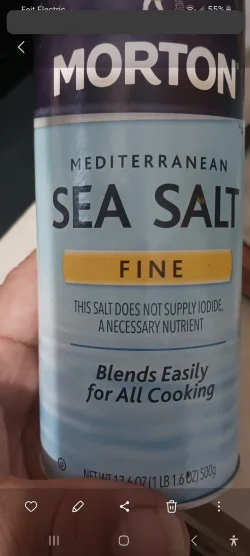
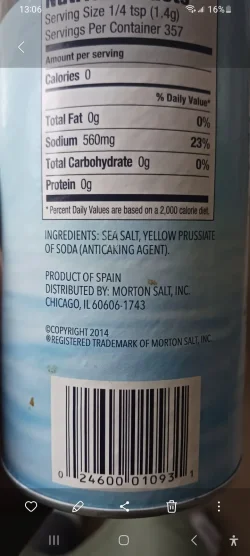
Is this salt ok to use ?
 

Attachments

  • Screenshot_20241218_091247_Gallery.webp
    Screenshot_20241218_091247_Gallery.webp
    53.2 KB · Views: 119
Does it have any anti-caking agents in the ingredients?
If not, then it's fine to use.
 

Most reactions

Back
Top