What are your tap water readings? Does your tap have nitrate in it already?
These readings could mean one of a myriad of things: 1) You are just starting the cycling process, but your tap water has nitrates in it. The low ammonia reading is because the tank is big with a very little bioload and hasn't been running very long, or you just completed a massive water change. 2) Your tank is cycled, you have no nitrates in your tap water and completed a minor water change, but you have a bit of ammonia in your tap. 3) ....
More information please. How big is the tank? How many fish do you have? How long has it been up and running with fish? Did you do a fishless cycle or is this a fish in cycle that is just beginning? Are there any live plants in the tank?
If I go on the assumption that this is a fish-in cycle that is just beginning, these results are normal. It would be best to do a water change (50%) to keep the ammonia level as close to trace levels as possible. It isn't absolutely necessary and it sure isn't an emergency yet, but the ammonia level is just going to get higher. The longer your fish are exposed to noticeable levels of ammonia, the weaker they will become. Ammonia poisoning has both short term and long-term health implications. It can kill them immediately, or it can weaken their gills and immune system leading to a premature death in the future once the tank is cycled. If it were me, I'd stay on top of the ammonia by completing a water change now (rather than waiting for it to reach 0.25ppm, when it IS an emergency) and being prepared to do so daily for quite some time.
Some will tell you that it would be best to wait because the bacteria you want to cultivate need ammonia to thrive and they won't multiply very fast unless there is sufficient ammonia. That is true, but the fish will be pumping an almost continual supply of ammonia into the water. If the level rises to the level that you can actually see the difference between zero and your reading, then there already IS excess ammonia. Removing SOME of it won't slow down the cycle one bit, but it will help your fish survive it and thrive long term.
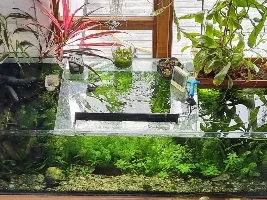
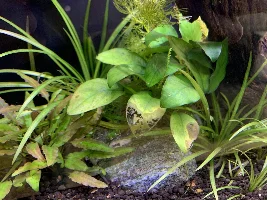
Something else you can do to HELP yourself a little is by adding live plants. Plants can take up ammonia directly from the water and help with your cycle. A plant like Elodea (or anacharis or waterweed) will not need any special care other than the occasional trimming. It grows like a weed, hence the name. It will "melt" upon first insertion into your tank, probably, but don't let that worry you. Just vac out the leaves during one of your many water changes that you will be doing and wait. Once the plant acclimates to YOUR water and light, it will start to put out new leaves and grow, and it won't stop. It will just keep on growing. Trim and remove what ever you would like. Or trim it and plant the trimmings, they will grow too! The more plants like this you have in your tank the less ammonia will remain in the tank. This will actually limit your bacteria growth, because the plants will be competing with the bacteria for ammonia, but it won't stop the bacteria entirely. The key is not to remove all the plants at once, or even a lot of them, because they will actually be a part of your filtration system. You can remove them eventually, if you like, or replace them with other plants. But, just as you wouldn't want to remove all your filter media at once, so shall it be with your plants. As you notice your nitrates starting to rise, that is a sign that the bacteria are starting to use more and more of the ammonia. The plants will be fine though, because they can also use the nitrate in the water for growth in place of the ammonia.