gwand51 168
Fish Aficionado
Fish of the Month 🌟
2x Tank of the Month!
Supporting Member ⭐
2x Pet of the Month!
Interesting. You can’t argue with success. Were your nitrate levels very low without water changes or were your fish accustomed to nitrates.View attachment 377684
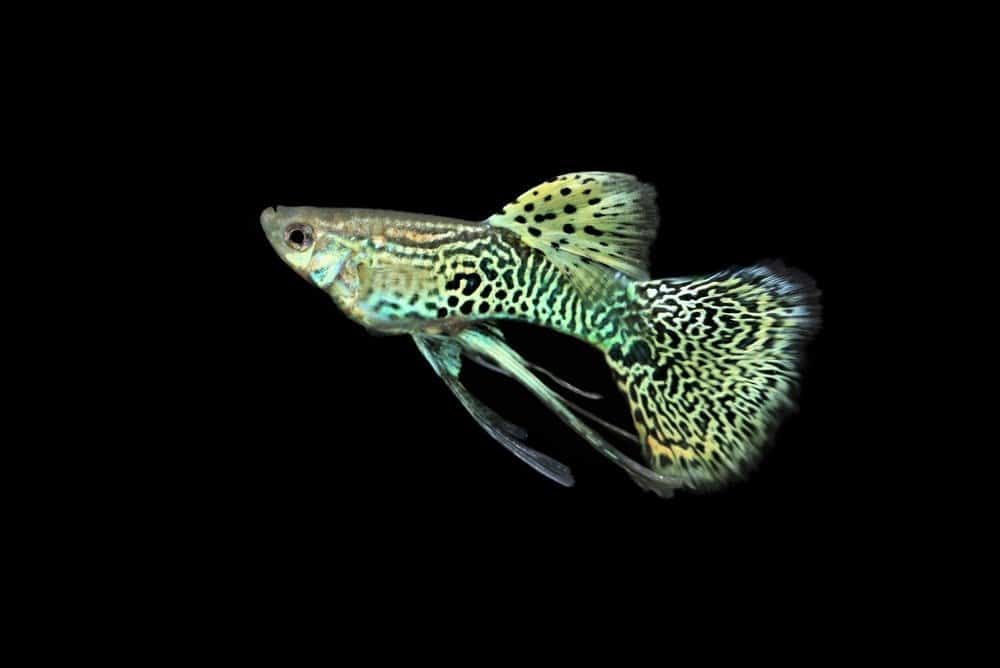
This tank (130*50*50 cm / 325 lt)stood here from 2004 to 2023. There were always Endler's Guppys and one or sometimes two Ancistrus in it. The Guppys lived there unmanaged all the time and still do in another tank.
Over time, it housed several other species, from small tetras to dwarf cichlids and badis.
No filtration, usually no flow pump, very rare water changes.
I never used fertiliser or additional CO2.
The aquarium had no heating, the temperature was between 20 and 25 degrees Celsius.
Hard tap water KH 24 / GH 28.
The substrate consisted of natural gravel with a grain size of 0 to 20 mm, which came directly from the gravel pit. Over time, it became very hard, but still looked like new when I finally removed it. So this substrate had no influence on the water chemistry. On top of this was a layer of mulm, well-structured reddish-brown flakes. This formed by itself. I never vacuumed the entire bottom. The plants grew well in this substrate.
The mulm is a key element – it is home to all the good bacteria, lots of microfauna and a source of humic substances. I supported this from time to time with some dry leaves.
And I think that is the second key – adding natural organic matter, including all the microbes that live on it – leaves, twigs with lichen, living food from small, fish-free waters in nature. Of course I dont treat this with hot water or desinfectants.
Such a system needs time to mature and stabilise. The tank started leaking in 2024, so I replaced it with a new one. This is now my Congo River tank. After a year and a half, it is slowly finding its stability. It still needs pumps for water movement. Occasionally, I change some of the water when I need to remove the cyanos, which have been a problem for quite some time now. At the moment, they don't seem to be growing back after I added a large amount of catappa leaves.