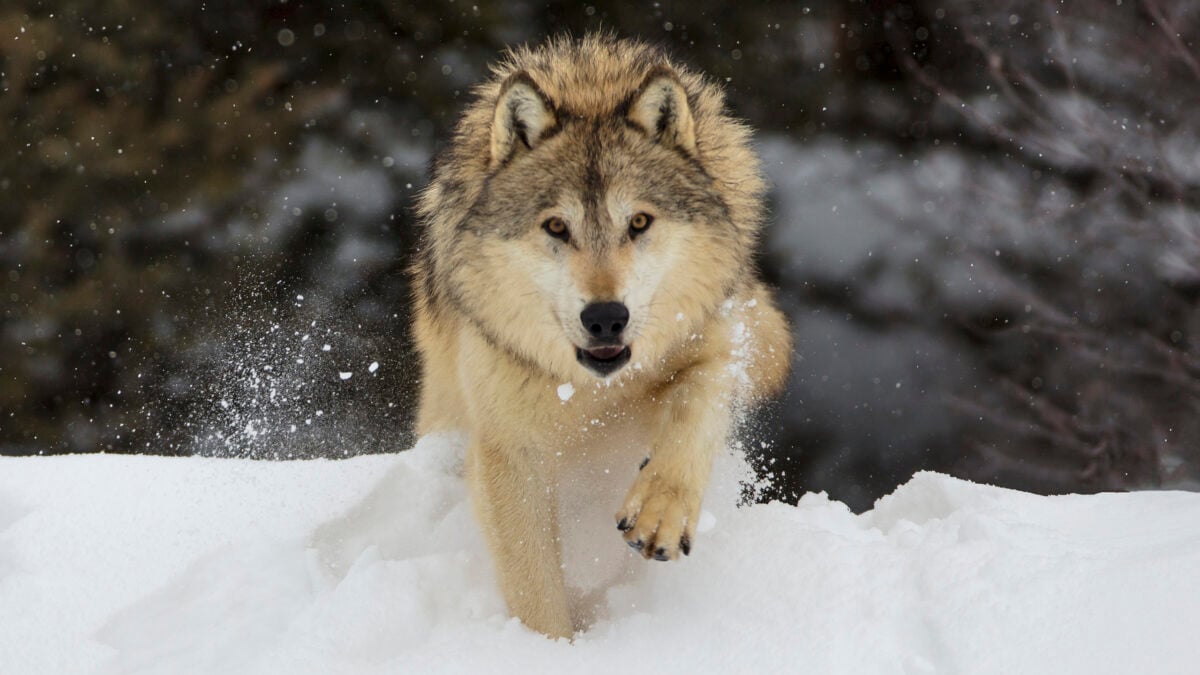
In some ways, we're discussing politics. This supposed de-extinction is window dressing - an assertion of human power that doesn't exist. All creatures are created by their habitats, which they then influence strongly. It's a give and go. If they are extinct because we caused it - hey, we can fix it and put it in a zoo!
That seems the message of this research to me.
It does have hobby implications. There are people working hard to maintain extinct in nature or close to it fish species in their tanks. It's a hopeless task. You can console yourself that people may be able to see the extinct fish because of your work, and there's value in that in raising awareness of what we've destroyed. But the bigger "we" has still destroyed it.
The moment a fish lands in our tanks, it's a zombie. It's left the family table and its feast (or famine) is over. Whether we look at the DNA and make fake dire wolves, or maintain too small populations of fish out of their water, we're playing games. There are millions of years, complex eco-systems, complex relationships with other life, all of which are part of what exists when we see an animal. It's why I enjoy wild type fish, as they are things of incomprehensible wonder to me. Play with genes and turn a Mikrogeophagus ramirezi black or ruin a guppy's tail, and so what? It's cute. But wild versions of those fish have a great backstory we can try to learn. One fish could technically keep you busy for several lifetimes.
Saving habitat isn't just keeping pretty places around. It's protecting the greatest show on Earth and seeing it continue on its wonderful way. If we could de-destroy things, it'd be great, but we barely understand the workings of the things we haven't wrecked yet.


 www.sciencealert.com