

LauraFrog
Fish Gatherer
This is all the info I have so please be patient with my lack of it. Sorry. I have no decent test kits. I live in the middle of nowhere.
About three weeks ago, I rescued a betta. He was absolutely traumatised like the last betta I rescued from that dump. The plan was keep him quiet, rehabilitate him like the last one, maybe even breed him. But I couldn't get him to eat. He took a few mosquito larvae in a fortnight. He was already far too skinny - well he was ending up emaciated.
I thought he might be more willing to eat - or at least show interest in something - if I put him with a female. So I put them both in a cycled, filtered 6 gallon tank, him loose and she in a glass chimney. I thought I'd let her out and spawn them if she egged up and he blew a nest but no plans to do it immediately as they weren't conditioned. He did perk up a bit and start eating so I figured it was best to leave him like that. He stayed there for about a week. Still no plans to release the female.
I sorta figured the female might be getting sick of sitting in a glass chimney in the middle of a tank, so I thought that since he'd perked up I'd shift her. She went back in her own tank, 1 gal. He stayed where he was. The next day I noticed him sitting on the bottom and getting lethargic. That was Wednesday. I added a piece of wood to block the current in case that was bothering him now the chimney was gone. I came home from school and realised that he was seriously sick. I took a closer look and saw what appeared to be fungus - yellow and fuzzy - on his side and growing on the base of his tail, more on the body than the fin. I freaked out. The only antifungal I had was crap - malachite green, methylene blue and acriflavine - but I used it anyway. I took him to school the next day. One of my teachers breeds them. She didn't know what to do, suggested bettafix and basically said 'he's cactus'. I took him to the LFS. No bettafix there. They couldn't suggest anything, said they'd never seen anything like it. They had a heap of new fish in and I couldn't resist a 4 ray CT male. If the betta that was sick had been from a divided tank or a community I would never have considered buying another fish but because he was going in a separate tank I thought everything would be okay.
Later that night the rescued fish sank really fast. The fungus doubled in area and he was lying on his side gasping. I decided it was cruel to leave him and put him down. I also noticed that my breeding prospect I'd had for months was looking majorly, majorly sick. I thought he was a fish TB carrier and I'd been keeping him alive because he was an old friend basically, he had the tank to himself so I sorta figured 'what harm could it do'. He went the same way, once he went down he was gone within 12 hours. No sign of any fungusy stuff but it was the same at the end, lying on his side gasping.
Well tonight the female I'd had in with the rescued male got sick. She was fine last night. Looked upset this morning but I thought she didn't like the filter. I turned it off. Tonight i went in to feed them and she's lying on the bottom, covered in yellow grot on her side and gasping. I had to put her down as well.
To make matters worse the new CT's not eating. I'm scared I might accidentally have contaminated his tank with something I've used in one of the others. I just can't remember. He could just be having a rough time settling in or just be a nervous temperament. I have no idea. I'm scared off my brain though. I've had most of my bettas for months, trouble free. To lose three of them in the space of a few days has totally freaked me out.
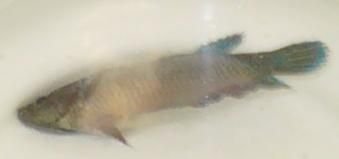
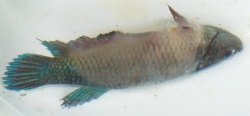
Of anything it most resembles columnaris what with the covering the body and very, very rapid deaths. But I dont' think it is somehow. The water is too cool for columnaris, but not so cool the fish would be stressed (23-24C). The lesions start on the belly, not the back and there is nothing out of sorts at all around the mouth or face. It's not white and it doesn't form long strands, just fuzziness a few mms thick all around the body in the affected areas. I'll try for some photos of the female. It also causes total loss of colour in the scales wherever it goes. The female is normally dark greenish blue. Make that was.
It's no good asking for decent water stats because I dont' have accurate kits. All of the tanks I used were cycled, 25-40% water changes done weekly, more often if the fish are being fed heavily (ie conditioning to spawn.)
Just please help me, anybody if you recognise this!
About three weeks ago, I rescued a betta. He was absolutely traumatised like the last betta I rescued from that dump. The plan was keep him quiet, rehabilitate him like the last one, maybe even breed him. But I couldn't get him to eat. He took a few mosquito larvae in a fortnight. He was already far too skinny - well he was ending up emaciated.
I thought he might be more willing to eat - or at least show interest in something - if I put him with a female. So I put them both in a cycled, filtered 6 gallon tank, him loose and she in a glass chimney. I thought I'd let her out and spawn them if she egged up and he blew a nest but no plans to do it immediately as they weren't conditioned. He did perk up a bit and start eating so I figured it was best to leave him like that. He stayed there for about a week. Still no plans to release the female.
I sorta figured the female might be getting sick of sitting in a glass chimney in the middle of a tank, so I thought that since he'd perked up I'd shift her. She went back in her own tank, 1 gal. He stayed where he was. The next day I noticed him sitting on the bottom and getting lethargic. That was Wednesday. I added a piece of wood to block the current in case that was bothering him now the chimney was gone. I came home from school and realised that he was seriously sick. I took a closer look and saw what appeared to be fungus - yellow and fuzzy - on his side and growing on the base of his tail, more on the body than the fin. I freaked out. The only antifungal I had was crap - malachite green, methylene blue and acriflavine - but I used it anyway. I took him to school the next day. One of my teachers breeds them. She didn't know what to do, suggested bettafix and basically said 'he's cactus'. I took him to the LFS. No bettafix there. They couldn't suggest anything, said they'd never seen anything like it. They had a heap of new fish in and I couldn't resist a 4 ray CT male. If the betta that was sick had been from a divided tank or a community I would never have considered buying another fish but because he was going in a separate tank I thought everything would be okay.
Later that night the rescued fish sank really fast. The fungus doubled in area and he was lying on his side gasping. I decided it was cruel to leave him and put him down. I also noticed that my breeding prospect I'd had for months was looking majorly, majorly sick. I thought he was a fish TB carrier and I'd been keeping him alive because he was an old friend basically, he had the tank to himself so I sorta figured 'what harm could it do'. He went the same way, once he went down he was gone within 12 hours. No sign of any fungusy stuff but it was the same at the end, lying on his side gasping.
Well tonight the female I'd had in with the rescued male got sick. She was fine last night. Looked upset this morning but I thought she didn't like the filter. I turned it off. Tonight i went in to feed them and she's lying on the bottom, covered in yellow grot on her side and gasping. I had to put her down as well.
To make matters worse the new CT's not eating. I'm scared I might accidentally have contaminated his tank with something I've used in one of the others. I just can't remember. He could just be having a rough time settling in or just be a nervous temperament. I have no idea. I'm scared off my brain though. I've had most of my bettas for months, trouble free. To lose three of them in the space of a few days has totally freaked me out.
Of anything it most resembles columnaris what with the covering the body and very, very rapid deaths. But I dont' think it is somehow. The water is too cool for columnaris, but not so cool the fish would be stressed (23-24C). The lesions start on the belly, not the back and there is nothing out of sorts at all around the mouth or face. It's not white and it doesn't form long strands, just fuzziness a few mms thick all around the body in the affected areas. I'll try for some photos of the female. It also causes total loss of colour in the scales wherever it goes. The female is normally dark greenish blue. Make that was.
It's no good asking for decent water stats because I dont' have accurate kits. All of the tanks I used were cycled, 25-40% water changes done weekly, more often if the fish are being fed heavily (ie conditioning to spawn.)
Just please help me, anybody if you recognise this!

 /www.nippyfish.net/flexibacter.html


