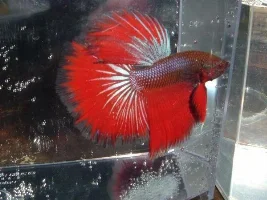
There's a lot to compatibility. Behavior, temperament, diet size... In some cases, habitat (Cichlids from different lakes in Africa don't mix well, though many common community fish will mix with fish from all over the world).
For behavior, you can't mix nippy fish with anything with long fins, or slow moving fish that can't escape minor harassment. Or more esoteric things - African and South American cichlids have different aggression displays and territory signals, so if housed together they can't communicate effectively and may fight much more than either fish with its own kind.
Temperament, some fish are simply aggressive, and must be housed with fish able to stand up to aggression, others are territorial and have to be carefully housed so that other fish can exist in the tank without violating its territory. Very placid fish can have trouble getting food with very active fish, etc.
Diet is one of several reasons goldfish don't do well with tropical fish - their different nutrition makes it hard to feed both properly.
For size, big fish eat small fish. Even when a large fish won't eat smaller fish (like a big pleco), having such a beast around can stress small fish that are normally prey targets. And if the big fish becomes upset somehow, just by their size they pose a real threat of injuring tankmates.
When in doubt, I just ask. It's nigh impossible to keep it all straight yourself. Diet and size are easy enough to figure out on your own with some research, but temperament is a different matter. A Malawi cichlid classified as peaceful, for example, will still be a terror compared to the most unruly semi-aggressive tropical fish.